Back to home
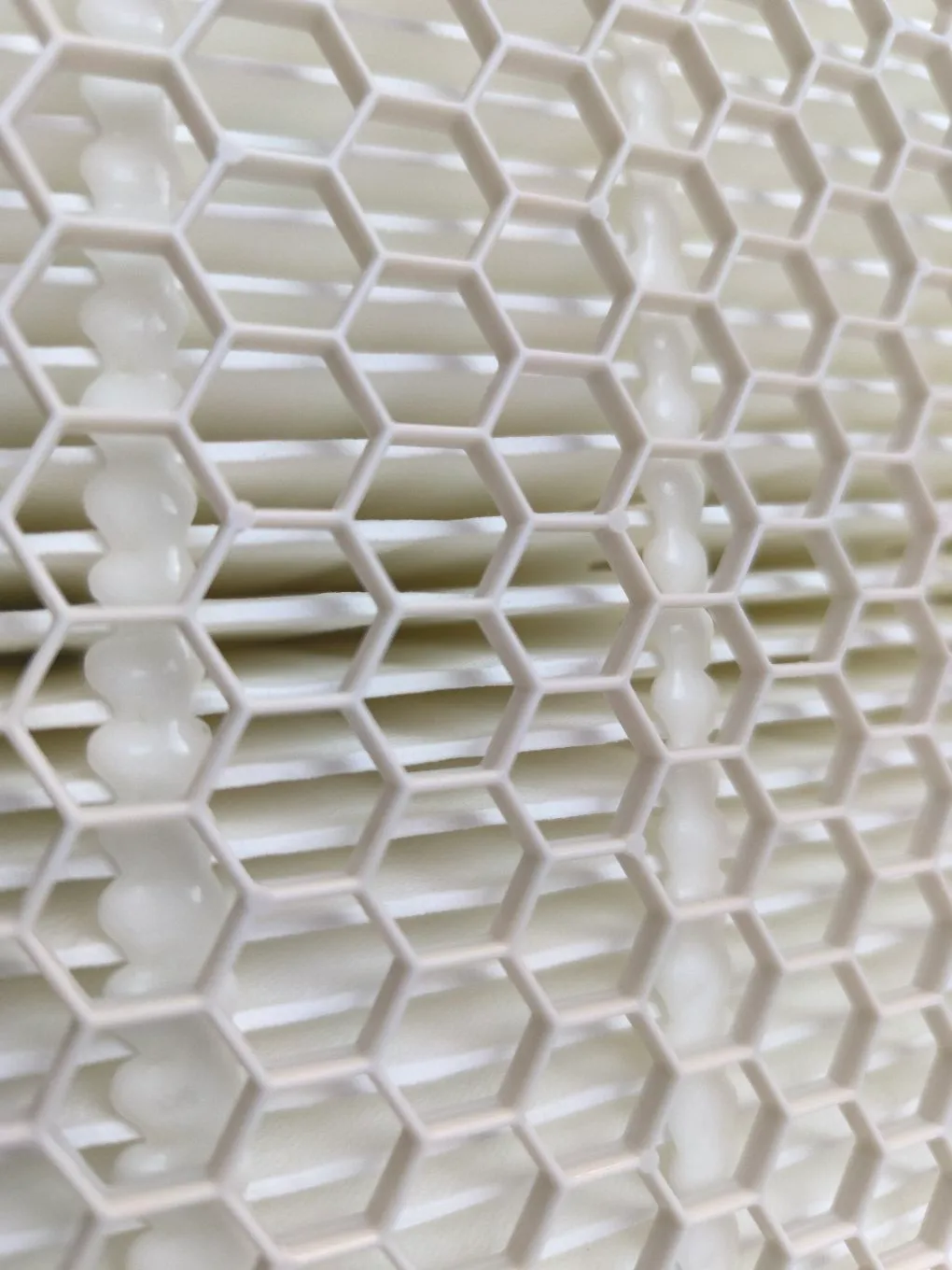
HEPA filter media close-up, hexagonal honeycomb structure with white separator beads

HEPA Filtration

HEPA Filters in CNC & Industrial Workshops: Uses, Limits & Safety

Request a quote
  • Fine-dust control: Reduces suspended fine dust in CNC workshops and industrial environments, as one layer of protection.
  • One layer, not a replacement: HEPA complements source capture, enclosures, and local exhaust ventilation — it does not replace them.
  • Safety first: Combustible dust (wood, aluminum, plastic) demands certified, explosion-protected equipment and a pre-filter.
  • Choose the right setup: Match airflow, pre-filtration, and pressure-drop monitoring to the room size and dust load.

Best uses

  • CNC machining: Reduces suspended metal, plastic, wood, and composite dust. A HEPA filter is capable of filtering out even the smallest particles (0.12–0.25 micrometers) from the air with 99.95% efficiency, which makes it well suited to the fine aerosols these processes produce.
  • Woodworking routers: Helps with fine residual dust; extract MDF, plywood, etc. at the tool.
  • Plastics/composites: Cleans ambient fine irritant dust; source capture is essential.
  • Grinding/polishing/finishing: Controls fine particles that spread beyond the work area.

Limitations

  • HEPA captures particles, not gases or vapors.
  • Oil mist, coolant vapors, welding fumes, solvents, and chemical vapors need mist collectors, fume extraction, carbon filtration, or local exhaust.
  • Oily/sticky dust can clog HEPA quickly. Use pre-filters and sometimes mist/coalescing filters.

Selection checklist

  • Match airflow/clean air delivery to room size and dust load.
  • Use a pre-filter before HEPA; add carbon or mist filtration if needed.
  • For combustible dust (wood, aluminum, some plastics), use explosion-safe certified equipment.
  • Place for good circulation, but keep intake away from heavy dust sources.
  • Monitor pressure drop; replace pre-filters often and HEPA per manufacturer.
  • Confirm suitability for material, fire/explosion risk, and local safety rules.

Safety note

Combustible dust can accumulate inside HEPA units or ducting and create fire/explosion risks. Do not assume a standard HEPA unit is safe. Use certified equipment, grounding, good housekeeping, and explosion protection.

Practical setup

  1. Capture most dust at the CNC machine with extraction or an enclosure.
  2. Use a HEPA fan-filter unit for fine airborne particles.
  3. Maintain general ventilation for fresh air and heat/gas control.
  4. Use a pre-filter and monitor filter condition.
  5. Keep filters, floors, ledges, and ducting clean.

Need help selecting the right HEPA filtration setup?

Talk to our team about airflow, pre-filtration, and explosion safety for your specific workshop.

Request a quote